
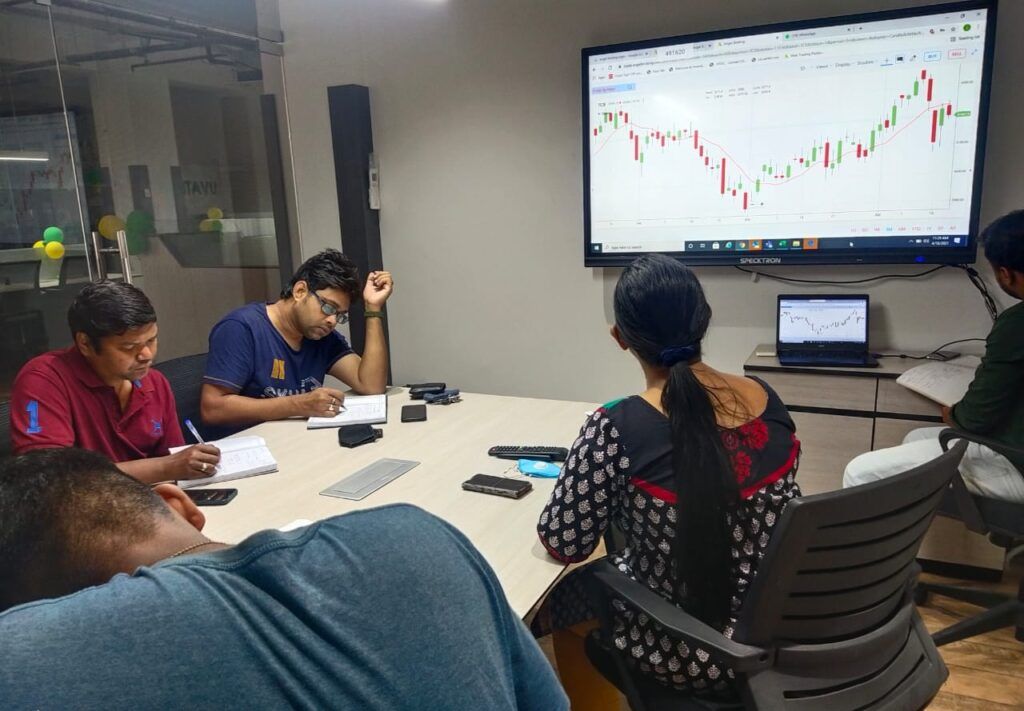
Trading in financial markets has become one of the most popular ways to build wealth and achieve financial independence. With the rise of online platforms and easy access to market data, more individuals are entering stock trading, commodity trading, and forex trading. However, one common question every beginner asks is: how can i learn trading?
The answer is not simple, because trading is not a skill you master overnight. It requires structured learning, consistent practice, emotional discipline, and proper risk management. In this detailed guide, you will understand step-by-step how to begin your trading journey and build long-term success in the financial markets.
Understanding What Trading Really Means
Before learning how can i learn trading, it is important to understand what trading actually is. Trading involves buying and selling financial instruments such as stocks, indices, commodities, or currencies with the goal of making a profit from price movements.
Unlike long-term investing, trading focuses on shorter time frames. Traders analyze price movements, market trends, and economic data to make quick decisions. This makes trading both exciting and risky at the same time.
To succeed, you must first build a strong foundation in market basics, including how exchanges work, how prices move, and what factors influence market behavior.
Start with Market Fundamentals
If you are serious about understanding how can i learn trading, the first step is learning the fundamentals of financial markets.
You should understand:
- What are stocks and shares
- How stock exchanges work
- What is a trading account and Demat account
- Types of market orders
- Bid and ask prices
- Liquidity and volatility
Without these basics, trading becomes gambling rather than skill-based decision-making. A strong foundation ensures that every trade you take is logical and informed.
Learn Different Types of Trading
A key part of learning how can i learn trading is understanding different trading styles. Each style requires different skills and time commitment.
Intraday Trading
In intraday trading, positions are opened and closed within the same day. Traders aim to profit from small price movements.
Swing Trading
Swing traders hold positions for several days or weeks, capturing medium-term price movements.
Positional Trading
This style involves holding trades for months, focusing on long-term trends.
Scalping
Scalping involves making multiple quick trades in a short time to capture small profits.
Choosing the right style depends on your personality, risk tolerance, and available time.
Technical Analysis: The Core of Trading
One of the most important steps in learning how can i learn trading is mastering technical analysis. This is the study of price charts to predict future movements.
Key concepts include:
- Candlestick patterns
- Trend lines
- Support and resistance levels
- Chart patterns (head & shoulders, double top, etc.)
- Moving averages
- RSI and MACD indicators
- Volume analysis
Technical analysis helps traders identify entry and exit points with better accuracy. It also reduces emotional decision-making by providing structured signals.
Fundamental Analysis for Smart Decisions
While technical analysis focuses on charts, fundamental analysis focuses on the actual value of a company or asset. Anyone asking how can i learn trading should also learn fundamentals.
This includes:
- Company financial statements
- Revenue and profit growth
- Debt levels
- Industry performance
- Economic indicators
- Government policies
Fundamental analysis is especially useful for long-term traders and investors who want stable and sustainable returns.
Practice Before Real Trading
One of the smartest ways to understand how can i learn trading is by practicing in a risk-free environment.
Most trading platforms offer demo accounts where you can trade with virtual money.
Benefits include:
- Learning platform tools
- Testing strategies
- Understanding market behavior
- Building confidence
- Avoiding financial losses
Practice helps you transform theoretical knowledge into real trading experience.
Risk Management: The Key to Survival
Many beginners focus only on profits and ignore risk. However, professionals know that risk management is more important than profit-making.
When learning how can i learn trading, you must understand how to protect your capital.
Important risk management rules include:
- Never risk more than a small percentage per trade
- Always use stop-loss orders
- Avoid overtrading
- Diversify your trades
- Maintain proper position sizing
Even the best strategy can fail without proper risk control.
Build a Strong Trading Plan
A trading plan acts as your roadmap in the market. It helps you stay disciplined and avoid emotional decisions.
Your trading plan should include:
- Entry strategy
- Exit strategy
- Stop-loss rules
- Risk-reward ratio
- Trading time schedule
- Daily or weekly goals
Without a plan, trading becomes random and inconsistent. A structured approach is essential for anyone learning how can i learn trading.
Importance of Trading Psychology
Even with knowledge and strategy, emotions can destroy trading performance. Fear, greed, and impatience are common reasons traders lose money.
To master how can i learn trading, you must develop strong psychological discipline.
Focus on:
- Staying calm during losses
- Avoiding revenge trading
- Following your plan strictly
- Accepting losses as part of trading
- Staying patient for good opportunities
Successful traders are not only skilled analysts but also emotionally disciplined individuals.
Learn from Experts and Professional Guidance
Self-learning is possible, but it is often slow and confusing. Structured learning from professionals can speed up your progress significantly.
Many learners searching how can i learn trading choose professional courses for:
- Step-by-step learning
- Live market training
- Expert mentorship
- Practical strategy building
- Real trading experience
Guided learning helps avoid common mistakes and builds confidence faster.
Stay Updated with Market News
Markets are influenced by global events, economic data, and corporate announcements. Staying updated is essential for every trader.
Follow:
- Financial news platforms
- Earnings reports
- Economic calendars
- Global market trends
This helps you understand why markets move and improves decision-making while learning how can i learn trading.
Continuous Learning and Improvement
Trading is not a one-time skill. It is a continuous learning process. Even experienced traders keep improving their strategies.
To grow, you should:
- Maintain a trading journal
- Analyze past trades
- Learn from mistakes
- Update your strategies
- Keep practicing regularly
Consistency is the real key to success.
Conclusion
If you are wondering how can i learn trading, the answer lies in structured education, consistent practice, and disciplined execution. Trading is not about quick profits—it is about developing a skill that grows over time.
By learning market basics, mastering technical and fundamental analysis, practicing in demo environments, managing risk properly, and controlling emotions, anyone can become a successful trader.
With the right mindset and continuous effort, trading can become a powerful tool for financial growth and long-term wealth creation.